

Weddings at The River Center.
A historic downtown building with high ceilings, exposed brick and genuine natural light, split into two sides you can rent separately or together. Very few venues let you buy exactly the amount of room you need.
A historic brick building downtown, split into two halves

The Venue
Why The River Center photographs the way it does.
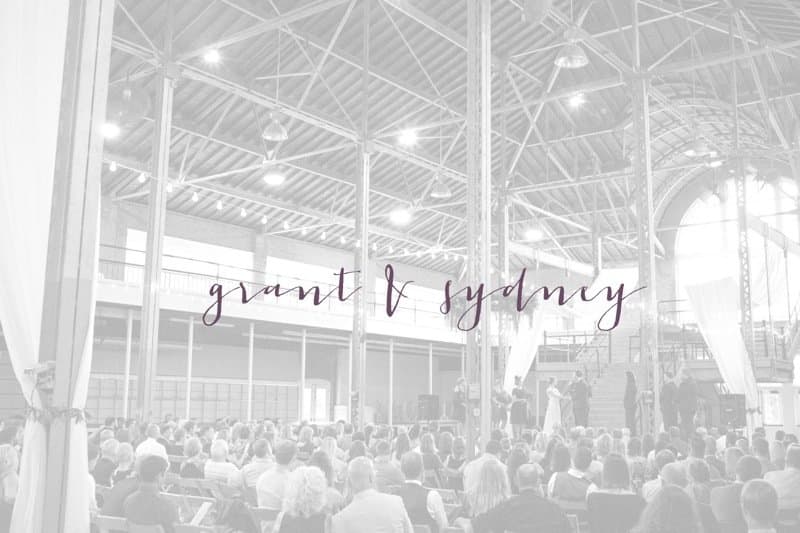
The best structural idea at The River Center is that it is two venues. River Center North and River Center South can be rented individually or together: each side seats up to 300, and the whole building takes 450. If your guest list is 140, you rent half a building and it feels full rather than echoing, which is a problem most big venues cannot solve for you.
The character is rustic industrial done honestly: high ceilings, exposed brick, and the thing that actually matters to a photographer, ample natural light. A brick room with real windows is a fundamentally different proposition from a brick room without them, and a lot of industrial venues are the second kind.
It sits downtown, which means the outdoor portrait plan is a city rather than a lawn. That suits some couples exactly and disappoints others, so know which one you are before you tour.
Guides that cover this venue
If this one is not quite right
What you actually need to know
- Guest capacity
- Up to 300 seated per side, and up to 450 across the whole building. The ability to rent one half is the flexibility worth paying attention to.
- Ceremony sites
- Indoors. With two sides available, a ceremony on one and dinner on the other avoids a room flip entirely, which is the single best use of this building's layout.
- Reception spaces
- River Center North and River Center South, individually or together. High ceilings and exposed brick throughout, with natural light from real windows.
- Getting ready
- Confirm what on site space exists for your date. Downtown Des Moines hotels are minutes away and make a clean getting-ready base with better window light than most event buildings offer.
- If it rains
- Complete. Everything is indoors, so weather affects only whether you step outside for portraits.
- What it costs
- Quoted by side and by date rather than published. Ask for both numbers, one side and the full building, because the half rental can be the difference between a comfortable budget and a stretched one.
- What's included
- Confirm in writing what the rental covers in tables, chairs and linens, and whether catering and bar are in house or open. Historic event buildings vary widely on this and it is the line that decides your real cost.
- Parking
- Downtown parking, street and ramp. Share ramp options with guests in advance, because downtown parking is the standard friction at a city venue.
- Where guests stay
- None on site; downtown hotels are within minutes. A block plus a short shuttle solves both lodging and the bar question.
- End of night
- Confirm music end time and property clear time in writing, since a downtown building has neighbours.
- Vendor rules
- Confirm catering and bar arrangements directly. Whether you can bring your own caterer is the single biggest budget question at a venue like this.
Worth knowing early: Ask which side you are being quoted, and what happens if the other side is booked the same day. Two events in one building can mean shared entrances, shared parking and sound bleeding through a wall, and the answer varies by configuration.
The four places worth your time
The windows against the brick
Late afternoon
Natural light landing on exposed brick is the reason to book this building. Stand your subject a few feet inside a window and the wall does the rest.
The full room, wide, with the ceiling in frame
Reception, lit deliberately
High ceilings give a wide reception frame room to breathe. Worth lighting the space properly so the height reads rather than disappearing into dark.
Downtown Des Moines streets
Open shade, mid to late afternoon
Brick and stone facades within a short walk. The city is the outdoor location here, and it is a good one.
The Capitol dome or the riverfront
The last forty five minutes of light
A short drive puts a landmark behind you. Schedule it or it will not happen once dinner starts.
Your day, hour by hour
At The River Center
Full Wedding GalleryPhotographing The River Center
Renting half is an underrated move
A 140 guest wedding in a 450 capacity building looks sparse. One side at 300 capacity, filled, photographs far better and usually costs less. Ask for both quotes.
Two sides means no flip
Ceremony on one side, dinner on the other. Nobody waits in a corridor while chairs move, and the cocktail hour is an actual hour.
Brick eats light
Exposed brick is beautiful and it absorbs rather than reflects. The daylight is genuinely good here; after dark the room needs building. Ask to see a photographer's night work in this specific venue.
Weddings Here
The River Center Questions
What couples ask about this venue.
How many guests does The River Center hold?
Up to 300 seated on each side, North or South, and up to 450 using the whole building. The option to rent a single side is the flexibility that makes this venue work for mid sized guest lists.
Should we rent one side or both?
If your guest list is under about 250, ask for both quotes and look at the room. A filled half building photographs better and generally costs less than a half empty whole one. If you want a ceremony and dinner in separate rooms, renting both removes any changeover.
Does it have natural light?
Yes, and it is the reason to prefer it over a lot of industrial venues. High ceilings, exposed brick and real windows. A brick room with daylight and a brick room without are entirely different places to photograph a wedding.
What if the other side is booked the same day?
Ask directly, because it affects entrances, parking and sound. Two events in one building can work perfectly or can mean a bass line through the wall during your toasts. Get the arrangement described in writing.
Where do outdoor photographs happen?
Downtown streets for open shade, and a short drive to the Capitol dome or the riverfront for the last light. There is no lawn, so all of it needs to be scheduled rather than assumed.